Can Dogs Eat Carrots? Benefits, Risks, and How Much to Give
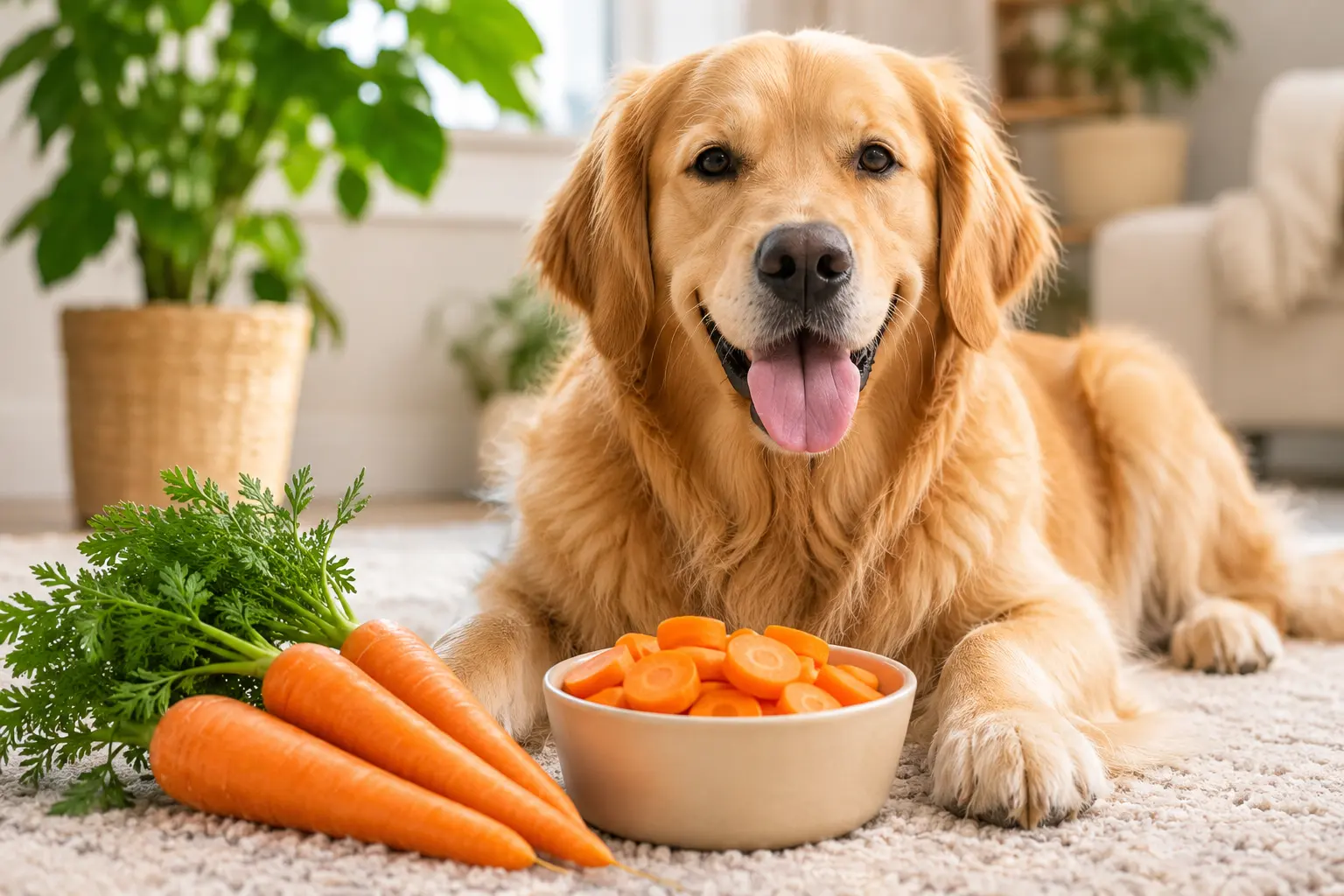
Yes, dogs can eat carrots, both raw and cooked, as long as they are served plain and prepared properly. Carrots are a low-calorie vegetable that can make a convenient occasional treat for many dogs.
Whether your dog enjoys crunchy raw carrot sticks or softer cooked pieces, this vegetable can add variety to their snacks without introducing unnecessary ingredients.
However, preparation and portion size matter. Large pieces can create a choking hazard, particularly for small dogs and dogs that tend to swallow their food without chewing.
In this guide, you’ll learn about the benefits of carrots for dogs, the differences between raw and cooked carrots, how much to offer, and how to prepare them safely.
Key Takeaways
- Dogs can eat plain raw or cooked carrots as occasional treats.
- Carrots contain fiber, beta-carotene, and other nutrients.
- Both raw and cooked carrots are suitable when prepared appropriately.
- Cut carrots into small, manageable pieces to reduce choking risks.
- Puppies can try small amounts of appropriately prepared carrots.
- All treats combined should account for no more than 10% of a dog’s daily calories.
- Carrots should never replace a complete and balanced dog food diet.
Are Carrots Good for Dogs?
Yes, carrots can be a healthy occasional snack for many dogs. They provide nutrients, have relatively few calories, and offer a different texture from traditional commercial dog treats.
Unlike some processed snacks, plain carrots do not require added salt, sugar, or artificial flavorings to make them appealing.
They also provide dietary fiber, which contributes to normal digestive function when consumed as part of an appropriate diet.
However, carrots are not a complete source of nutrition for dogs. They do not provide everything your pet needs to stay healthy.
Your dog’s regular food should remain the foundation of their diet. Choose a complete and balanced food appropriate for their age, size, and health requirements.
If your dog follows a prescription diet or has a medical condition, ask your veterinarian before introducing new foods.
Nutritional Benefits of Carrots for Dogs
Carrots contain several nutrients that contribute to their nutritional value.
Here are some of the main components found in raw carrots:
| Nutrient | How it contributes |
|---|---|
| Beta-carotene | A plant pigment that the body can convert into vitamin A |
| Dietary fiber | Contributes to normal digestive function |
| Potassium | Helps support normal muscle and nerve function |
| Vitamin K | Plays a role in normal blood clotting |
| Vitamin C | An antioxidant nutrient |
Carrots also contain natural sugars, so portion size still matters.
1. Beta-Carotene and Vitamin A
Carrots are well known for their beta-carotene content. This orange pigment can be converted into vitamin A by the body.
Vitamin A is important for normal vision, immune function, and skin health.
However, feeding your dog carrots does not guarantee better eyesight or prevent eye problems. A complete and balanced dog food should already supply the nutrients your pet needs.
2. Dietary Fiber
Carrots contain dietary fiber, which contributes to normal digestive function.
Introducing small amounts of carrot can add variety to your dog’s snacks. However, too much fiber or a sudden dietary change may cause digestive discomfort.
Start with a small amount and monitor your dog’s response.
3. A Relatively Low-Calorie Snack
Plain carrots are relatively low in calories compared with many commercial treats.
This makes them a useful alternative for owners looking for occasional snacks that do not add excessive calories.
Remember that even low-calorie treats contribute to your dog’s total daily food intake.
Raw vs. Cooked Carrots: Which Is Better?
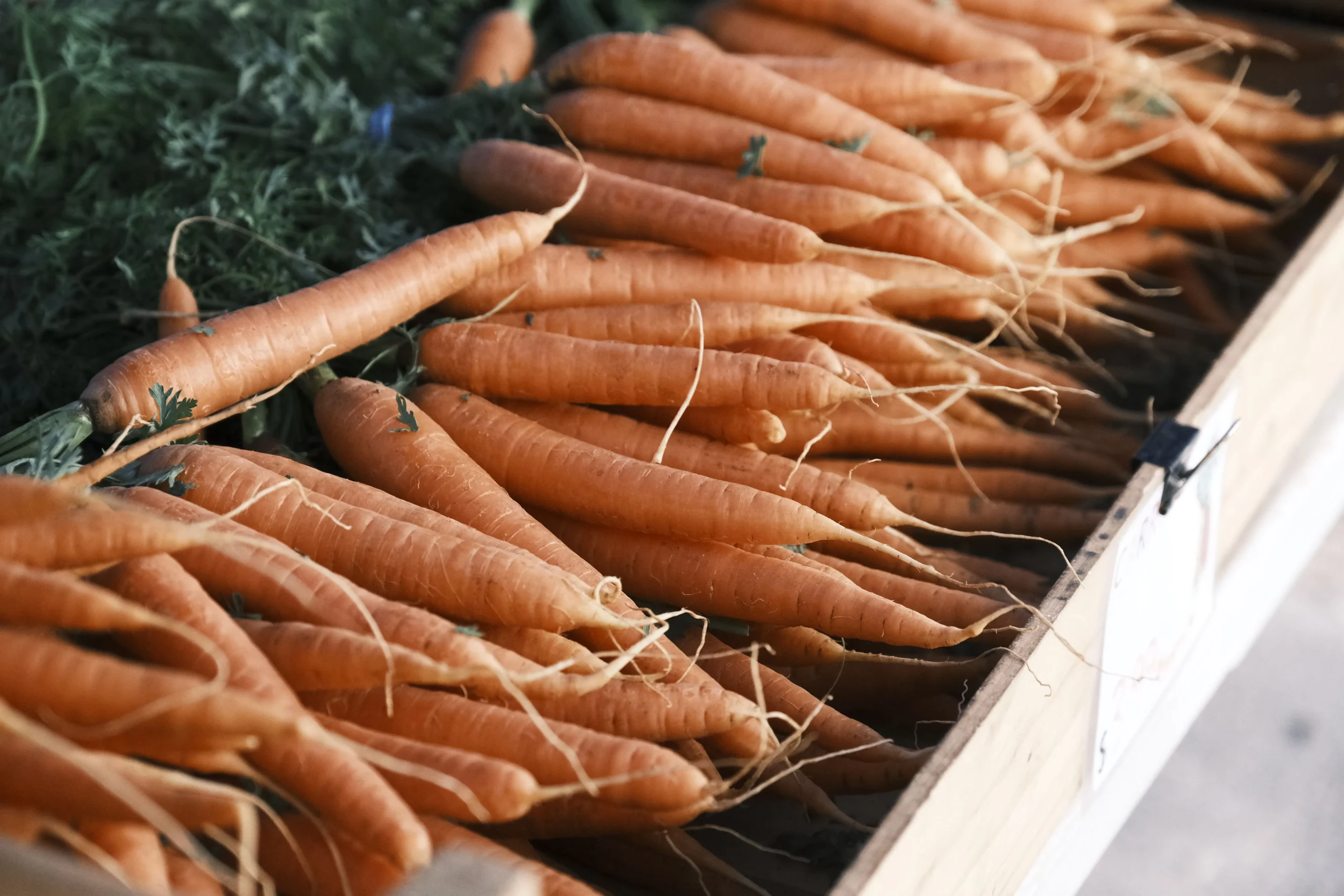
Dogs can eat both raw and cooked carrots. The best option depends on your dog’s chewing ability, preferences, and digestive tolerance.
Raw Carrots
Raw carrots provide a crunchy texture that many dogs enjoy.
They can be washed, peeled if desired, and cut into small pieces before serving.
Advantages of raw carrots:
- Naturally crunchy.
- Require little preparation.
- Can be served as simple bite-size snacks.
- Retain their natural texture.
However, whole carrots and large chunks can be choking hazards, especially for small dogs and dogs that gulp their food.
Always cut raw carrots into appropriately sized pieces.
Cooked Carrots
Cooked carrots become softer and may be easier for some dogs to chew.
Steaming or boiling plain carrots until tender can make them easier to serve to puppies, senior dogs, or pets that struggle with hard textures.
Advantages of cooked carrots:
- Softer texture.
- Easier to mash or mix with regular food.
- Convenient for dogs that prefer softer snacks.
Avoid adding butter, oil, salt, garlic, onion, or seasonings.
Allow cooked carrots to cool completely before serving.
Raw vs. Cooked Carrots: Quick Comparison
| Preparation | Texture | Best suited for |
|---|---|---|
| Raw | Crunchy and firm | Dogs comfortable chewing raw vegetables |
| Steamed | Soft but slightly firm | Dogs that prefer softer snacks |
| Boiled | Very soft | Dogs that need an easier-to-chew texture |
There is no need to choose only one preparation method. Both raw and cooked carrots can be appropriate occasional treats when served safely.
Can Puppies Eat Carrots?

Yes, puppies can eat carrots in small amounts, provided the pieces are prepared according to their size and chewing ability.
Puppies have developing teeth and may not chew food as effectively as adult dogs.
For younger puppies, soft-cooked carrots that have cooled completely or finely grated raw carrots may be easier to manage.
Start with a tiny amount and introduce it gradually.
Are Frozen Carrots Good for Teething Puppies?
Some owners use chilled carrots as an occasional chewing option for teething puppies.
However, very hard frozen carrot pieces can pose choking risks and may be unsuitable for puppies with developing teeth.
A softer, appropriately sized alternative is generally preferable. Always supervise your puppy while eating.
Remember that puppy food should remain the main source of nutrition during growth. Treats should never replace food formulated for puppies.
If your puppy has digestive problems or follows a special diet, consult your veterinarian before introducing carrots.
How Many Carrots Can Dogs Eat?
The right amount depends on your dog’s daily calorie requirements, weight, activity level, and overall diet.
There is no single carrot serving size that works for every dog.
A good starting point is one or two very small pieces to see how your dog responds.
If your dog tolerates them well, you can occasionally offer a little more, provided the additional calories fit within their daily treat allowance.
The 10% Treat Rule
According to the World Small Animal Veterinary Association (WSAVA), treats should make up no more than 10% of a dog’s total daily calorie intake.
This limit applies to all treats combined, not just carrots.
For example, if your dog needs 1,000 calories daily, no more than 100 calories should come from treats.
The remaining calories should come from their complete and balanced regular food.
For many dogs, staying below that maximum is preferable, particularly if they need to manage their weight.
General Portion Guidance
| Dog size | How to start |
|---|---|
| Small dogs | One or two tiny pieces |
| Medium dogs | One or two small bite-size pieces |
| Large dogs | One or two bite-size pieces |
These are starting suggestions, not fixed daily allowances. Adjust the amount according to your dog’s calorie needs and chewing habits.
How to Fit Carrots Into Your Dog’s Diet
Follow these steps when introducing carrots:
- Check your dog’s daily calorie requirements.
- Consider how many calories they already receive from other treats.
- Start with a very small carrot portion.
- Monitor their digestion and appetite.
- Adjust the amount if necessary.
For additional help calculating daily food portions, read our guide: How Much Should You Feed Your Dog? A Practical Guide.
If your dog is overweight, has diabetes, or follows a prescription diet, ask your veterinarian about suitable treats and portions.
Possible Risks of Feeding Carrots to Dogs
Although carrots are generally safe for dogs, there are a few things owners should consider.
1. Choking Hazards
Large carrot chunks and whole carrots can become choking hazards.
This is particularly important for small breeds and dogs that tend to swallow food quickly.
Cut carrots into small pieces that your dog can comfortably chew and swallow.
For dogs that gulp their food, finely grated or soft-cooked carrots may be more appropriate.
2. Digestive Upset
Introducing too much carrot too quickly can cause digestive discomfort in some dogs.
Possible symptoms include:
- Gas.
- Diarrhea.
- Loose stools.
- Abdominal discomfort.
Start with a small portion and stop offering carrots if your dog develops digestive problems.
3. Excessive Calories and Sugar
Carrots contain natural sugars and calories.
Although they are relatively low in calories, feeding large amounts can contribute to excessive calorie intake.
Keep portions modest and remember that treats should not exceed 10% of daily calories.
4. Hard Frozen Carrots
Very hard frozen carrot pieces may be difficult for some dogs to chew and can present choking or dental injury risks.
Avoid offering hard frozen chunks, particularly to puppies, small dogs, and dogs with dental problems.
When Should You Contact a Veterinarian?
Contact your veterinarian if your dog develops persistent vomiting, diarrhea, abdominal discomfort, or other concerning symptoms after eating carrots.
If your dog appears to be choking or has difficulty breathing, seek emergency veterinary care immediately.
How to Prepare and Serve Carrots Safely
Preparing carrots for dogs is simple. You do not need complicated recipes or special ingredients.
Follow these steps:
Step 1: Wash the Carrots
Rinse fresh carrots thoroughly under running water to remove dirt and other surface contaminants.
Peeling is optional, provided the carrots are washed properly.
Step 2: Choose Your Preparation Method
You can serve carrots raw or cooked.
For raw carrots, cut them into appropriately sized pieces.
For cooked carrots, steam or boil them until tender.
Step 3: Cut Them Into Small Pieces
Avoid giving your dog large chunks or whole carrots.
The appropriate size depends on your dog’s size and eating habits.
For small dogs and enthusiastic gulpers, finely chopped or grated carrots may be easier to manage.
Step 4: Keep Them Plain
Do not add:
- Salt.
- Butter.
- Garlic.
- Onion.
- Seasoning.
- Sugar.
- Sauces.
Plain carrots are all your dog needs for this occasional snack.
Step 5: Serve and Supervise
Allow cooked carrots to cool completely before serving.
Stay nearby while your dog eats, especially when introducing a new food.
You can also mix a small amount of plain cooked carrot into your dog’s regular food, provided it fits their daily calorie allowance.
Frequently Asked Questions
Can dogs eat baby carrots?
Yes. Plain baby carrots are suitable for many dogs when prepared appropriately.
Wash them before serving and cut them into smaller pieces, especially for small dogs or dogs that tend to swallow food quickly.
Can dogs eat carrots every day?
Some dogs can enjoy small portions of carrots regularly, including daily, provided they tolerate them well and the calories fit their treat allowance.
However, daily carrot feeding is not necessary. Variety and moderation are important.
Can dogs eat carrot skin?
Yes. Carrot skin is generally safe for dogs.
Wash carrots thoroughly before serving. Peeling is optional.
Can dogs eat frozen carrots?
Frozen carrots are not suitable for every dog.
Hard frozen pieces can create choking and dental injury risks. Consider softer alternatives, especially for puppies and small dogs.
Can dogs eat peas and carrots?
Yes. Plain peas and carrots can be offered together in small amounts to many dogs.
Avoid adding butter, salt, sauces, onions, or seasonings. Count the combined portion toward your dog’s daily treat allowance.
Can dogs eat canned carrots?
Plain canned carrots without added salt or seasonings may be suitable in small amounts.
Check the ingredient label carefully and choose products without added ingredients. Drain and rinse them before serving.
Fresh or plain cooked carrots are generally simpler options.
Are carrots good for dogs with diarrhea?
Carrots are not a treatment for diarrhea.
Because their fiber content may affect digestion, introducing carrots during an episode of digestive upset may not be appropriate for every dog.
If your dog has ongoing diarrhea, consult your veterinarian rather than trying to treat it with vegetables.
Can dogs eat carrot cake?
Carrot cake is not a suitable treat for dogs.
It can contain excessive sugar and fat, along with ingredients such as raisins, nutmeg, or xylitol-containing sweeteners that can be dangerous.
Stick to plain carrots instead.
Final Thoughts: Should You Give Your Dog Carrots?
Yes, carrots can be a simple and nutritious occasional treat for many dogs.
Whether you choose raw carrot slices or soft cooked pieces, the most important things are preparation, portion control, and supervision.
Start with a small amount, watch how your dog responds, and keep treats within the recommended daily calorie allowance.
Most importantly, remember that carrots are an addition to your dog’s diet, not a replacement for complete and balanced dog food.
A little variety can make snack time enjoyable while keeping your dog’s nutritional needs a priority.
Sources and Further Reading
For additional information about canine nutrition and safe treat feeding:
- American Kennel Club – Can Dogs Eat Carrots?
- PetMD – Can Dogs Eat Carrots? Benefits, Risks, and Feeding Tips
- World Small Animal Veterinary Association – Feeding Treats to Your Dog
- VCA Animal Hospitals – Can You Feed Pets Certain Fruits and Vegetables?
This article provides general educational information and is not a substitute for individualized veterinary advice.