

Dog Breeds: 25 Popular Picks for Every Family Lifestyle
The right companion is the one whose daily needs fit your household, not simply the one topping a popularity list. Dog breeds offer many possibilities, but a good match depends on your family’s routine, home, and expectations.
A breed standard is a written description of a breed’s ideal physical traits, movement, and temperament. Here, you’ll find practical profiles organized by household fit, from compact-home companions to energetic dogs.
Key Takeaways
- Popularity can help you discover breeds, but it cannot predict the right match.
- Consider exercise, grooming, training, and time alone.
- Breed groups reflect shared traits and original jobs, not guaranteed behavior.
- Small dogs can still need plenty of activity and care.
- Meet an individual dog and ask about its behavior and history.
Start by thinking about the hours, activity, and care your household can reliably offer.
How to Choose Among Dog Breeds
A realistic match starts with the hours you can give a dog each day and the space you can share. The best dog breeds fit your household’s real routine, including its time for activity, grooming, and training.
A small size does not automatically mean low energy or easy care. A compact dog may still need daily exercise, coat maintenance, and company while you’re home.
Choose a dog whose exercise and grooming needs fit your typical week, not an ideal one.
Match activity and space to your routine
Think about the hours a dog would spend alone, your available indoor and outdoor space, and who can handle daily care. A large dog needs room to move and an owner ready to manage its size. Training takes time, too. Grooming needs can range from regular brushing to more involved coat care.
AKC recognizes 200 dog breeds, while more than 340 are known worldwide. Those numbers offer a sense of the choices, but a breed’s size, energy, and care needs matter more than its count.
Use breed groups as clues, not guarantees
The American Kennel Club (AKC) places registered breeds in seven breed groups based on shared characteristics and original functions. Its group list was current as of June 17, 2025. The Herding Group was created in 1983, after its breeds had been part of the Working Group.
Groups can suggest what a dog was bred to do, but they do not guarantee an individual dog’s temperament. Herding and Non-Sporting are two other AKC groups.
| AKC group | Original function | Example breed |
|---|---|---|
| Sporting | Finding and retrieving game | Labrador Retriever |
| Hound | Tracking or pursuing game | Beagle |
| Working | Jobs such as guarding and pulling | Great Dane |
| Terrier | Hunting vermin | Airedale Terrier |
| Toy | Companionship | Chihuahua |
Before choosing a breed, make sure its exercise and grooming needs fit a typical week, not just an ideal one.
Which Dog Breeds Rank Highest in 2025?
The 2025 AKC ranking puts the French Bulldog first and the Labrador Retriever second. The top five dog breed names are French Bulldog, Labrador Retriever, Golden Retriever, German Shepherd Dog, and Dachshund.
The ranking measures registrations, not which breed suits every family. AKC popularity rankings use registration statistics from the previous year, so they reflect registration choices rather than a household’s best match.
What the AKC ranking measures
The French Bulldog held No. 1 for the fourth consecutive year, while the Labrador Retriever stayed at No. 2 for the third consecutive year. Before the French Bulldog took the top spot in 2022, the Labrador Retriever ranked No. 1 for 31 consecutive years.
The AKC lists the following weights for males and females:
| Breed | 2025 AKC rank | AKC listed weight for males and females |
|---|---|---|
| French Bulldog | No. 1 | 28-28 pounds |
| Labrador Retriever | No. 2 | 55-80 pounds |
| Golden Retriever | No. 3 | 55-75 pounds |
| German Shepherd Dog | No. 4 | 50-90 pounds |
| Dachshund | No. 5 | 11-32 pounds |
What changed in the top five
The Dachshund replaced the Poodle in the top five. That shift changes the lineup, but it does not change what a dog needs from its home or owners.
An A-to-Z directory of dog breed names with pictures can help you browse by name, while this list organizes 25 picks by household fit. Dog breed pictures should identify the breed clearly, with accurate alt text to describe each scene.
Popularity may make a breed easier to recognize around the world, but it says little about the training, obedience, or care an individual dog will need. The listed weight ranges can help you compare handling needs before meeting a dog.
Treat the ranking as a snapshot of registration popularity, then check each breed’s needs against your own routine.
Which Small Dog Breeds Suit Compact Homes?
A compact home can suit a small companion, provided the dog’s activity and care needs also fit. Small dog breeds come in different sizes, coats, and temperaments, so small does not mean low-maintenance.
Look beyond adult size when you compare these five options. A dog still needs a routine that suits its energy, coat, and need for interaction.
- Alaskan Klee Kai: This companion-sized dog resembles a husky and weighs up to 15 pounds. Its look may be familiar, but its needs still deserve a close look.
- Chihuahua: Often described as about five pounds, a Chihuahua can form a close bond with its person. Some are wary of strangers, so plan calm introductions.
- Chinese Crested: This breed comes in hairless and powderpuff varieties. The two coat types offer different care needs, so decide which better suits your home.
- Pomeranian: Pomeranians enjoy interaction. Give yours regular attention instead of assuming that a toy-size companion will be content on its own.
- Shih Tzu: Easygoing by nature, this companion needs regular coat care. Make brushing part of the routine you can reliably keep.
These small breeds show why size alone cannot tell you how much time a dog needs. Even a compact companion may need more activity or coat care than you expect.
Check the coat and exercise routine as carefully as the adult size before settling on a small breed.
Which Dog Breeds Fit Family Life?
Families have different needs, so the most useful starting point is a breed’s everyday behavior rather than a broad reputation. These dog breeds offer different traits, but no label can promise an effortless fit.
Children’s ages, supervision, and an individual dog’s temperament all matter. Choose a family dog with the people in your home in mind, not just the breed’s reputation.
- Pembroke Welsh Corgi: Playful, bright, alert, and often good with children, this Corgi can be trainable. Its alert nature may also mean more noise at home.
- Beagle: Bred to work in packs, the Beagle has a strong need for companionship. Long stretches alone may not suit this social dog.
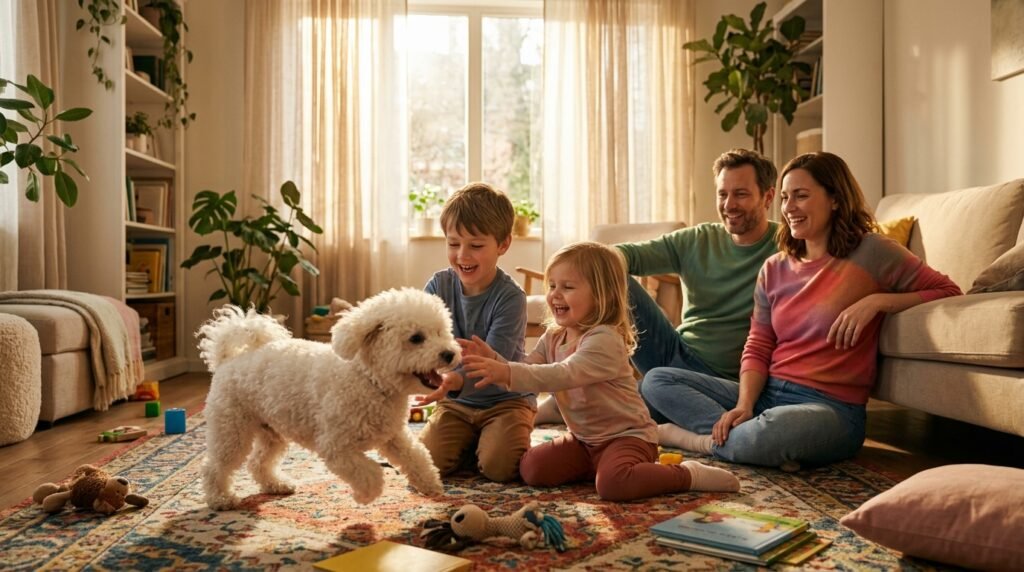
- Bichon Frisé: Happy, loving, and intelligent, the Bichon can bring a cheerful presence to family life. It may also show a stubborn streak.
- Rat Terrier: Bred for hunting and farm work, this lively terrier can form close family bonds. Make room for its energy and keep training part of daily life.
- Maltese: This breed has a long history as a people-oriented companion. A Maltese may suit a household that enjoys having its dog close by.
A breed’s personality can guide your questions, but it cannot tell you exactly how one dog will behave. Consider how the dog responds to your household and its daily activity.
Arrange calm, supervised introductions and give both children and dogs room to step away.
Which Breeds Suit Active Owners?
An active household can suit a high-energy breed if it can make exercise and mental engagement part of the regular routine. Hunting and herding backgrounds can bring strong instincts, energy, and a real need for training.
Large dog breeds among the ranked picks include Labrador Retriever, Golden Retriever, and German Shepherd Dog. Use the listed weight ranges in the ranking table when comparing space and handling needs.
- Border Terrier: This terrier may chase small animals and cars. A secure outdoor space helps keep its chase instinct from putting it in danger.
- Jack Russell Terrier: Intelligent and extremely energetic, this dog needs more than a quick walk. Give its mind and body regular, structured activity.
- Pumi: A Pumi needs exercise and mental stimulation. Training and active games can help give this herding breed useful things to do.
- Smooth Fox Terrier: This terrier is another lively option for owners who enjoy working with an energetic dog. Plan for regular engagement and training.
- Nova Scotia Duck Tolling Retriever: This distinct type was described by the early 1900s. Its name reflects a history connected with retrieving and outdoor work.
Exercise is only part of an active dog’s routine. Consistent training helps you live with strong instincts and gives your dog clear expectations at home and outdoors.
For a breed with strong chase instincts, rely on a secure area and consistent training rather than an open yard.
What Should Families Know About Companion Breeds and Safety?
No breed label can replace learning how an individual dog behaves around people and in everyday situations. These companion breeds have distinct people-focused or playful traits, but none should be labeled inherently safe or dangerous.
A breed label alone cannot predict an individual dog’s behavior. Supervise children, teach respectful handling, and ask about the specific dog’s history and behavior.
- Shih Tzu: This people-focused companion can enjoy close company. Consider the individual dog’s comfort with handling and household activity.
- Pug: A playful companion breed, the Pug can bring an engaging presence to a home. Meet the dog and observe how it responds to people.
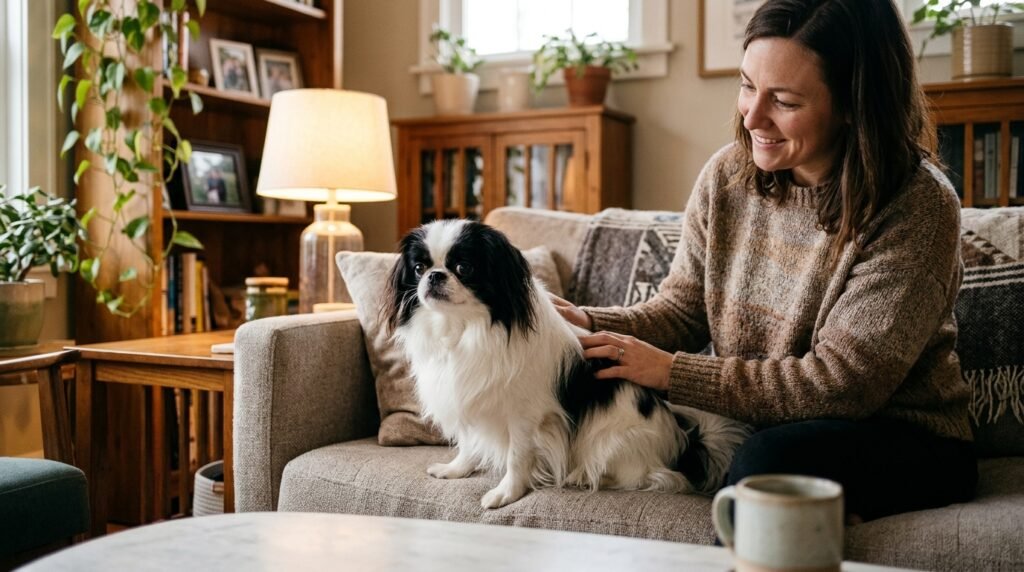
- Japanese Chin: This companion breed can suit people who enjoy a close bond with their pet. Ask about the dog’s behavior in the situations your home presents.
- Affenpinscher: This small dog can be playful and lively. Give it space to settle when it has had enough interaction.
- Yorkshire Terrier: This toy companion can form a close connection with its people. A dog’s past experiences and current responses matter more than its name.
National dog-bite-related emergency-department visit rates rose 15% from 2018 to 2023. Nearly 1,000 people are treated in U.S. emergency departments each day for nonfatal dog-bite-related injuries.
Teach children to give unfamiliar dogs space, and supervise every interaction between a child and a dog.
In 2025, homeowners’ insurers paid $1.86 billion in liability claims related to dog bites and other dog-related injuries. The average cost per dog-bite-related insurance claim rose 209.2% from 2016 to 2025. The CDC recorded 127 fatal dog attacks in the United States in 2024. These broad national statistics do not establish an individual breed’s risk.
Teach children to give unfamiliar dogs space and supervise every interaction between a child and a dog.
Conclusion
A good match begins with an honest picture of the home and routine a dog would join. Popularity can point you toward possibilities, but daily needs and individual temperament matter more when you choose a companion.
Think about the time your household can offer and the care a dog will need as it settles in. A conversation with a reputable shelter, rescue, or breed-focused organization can help you learn about the specific dog you may meet.
You do not need to decide based on a breed name alone. Ask about the dog’s behavior, history, and fit with your household’s routine.
Write down your household’s must-haves, shortlist two or three breeds, and meet individual dogs before deciding.